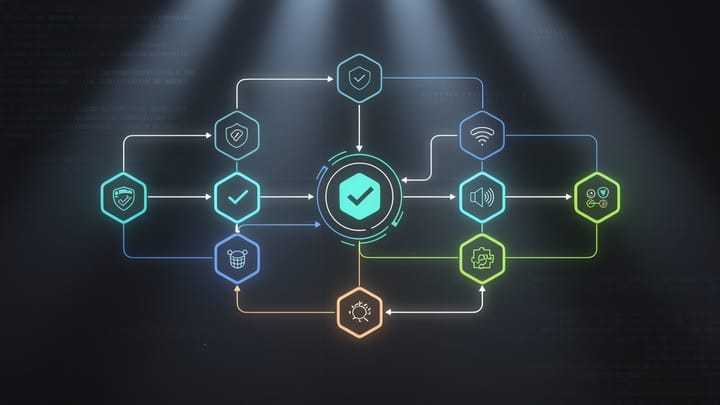
Explain This: Build an AI security source stack before hype becomes policy AI security coverage is noisy. Here is a simple intake model that helps teams separate operator signal from recycled hype.
Exhibit A(I): 500 zero-days is not a governance strategy A headline about 500 zero-days sounds dramatic. The real governance question is whether your team knows how to validate, prioritize, and act before the number turns into theater.
Exhibit A(I): Your AI security news diet is part of your threat model If your team learns about agentic security from hype posts, malware lures, and unverified thread summaries, you are already behind. The lesson this week is simple: source hygiene is now a security control.
Exhibit A(I): If your team downloads AI tooling from search results, your policy is already broken Fake AI developer tooling, poisoned packages, and weak intake habits now create governance risk long before a formal incident report lands on your desk.
The Docket: OpenAI Buys TBPN and Steps Into Media Governance Risk OpenAI's purchase of TBPN is not just a media story. It raises disclosure, independence, and governance questions for the most powerful company in AI.
Exhibit A(I): Claude Code Leak Turns Curiosity Into a Malware Trap A Claude Code source leak became bait for GitHub malware, exposing the legal and operational gap between leaked code and trusted software.
Explain This: CrewAI Vulnerability Chain and AI Agent Attack Surface Four unpatched CVEs in CrewAI expose how AI agent frameworks become attack vectors through prompt injection and code execution chains.