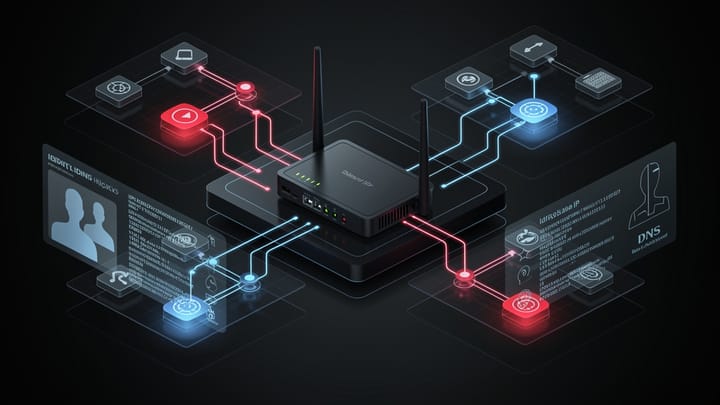
Explain This: Why Router DNS Hijacks Become Identity Incidents Fast The DOJ router disruption matters because DNS hijacks are not just network events. They are quiet identity incidents with ugly evidence problems.
Breach Autopsy: NPM Typosquatting Attack Compromises 200+ Developer Environments Attackers registered 'requst' instead of 'request' and waited for typos to deliver malware to developer machines running npm install.
Explain This: Incident Response Automation (And Why Your Playbooks Still Need Humans) Automated IR playbooks can block IPs and isolate hosts in seconds. They still can't tell you if the CFO's laptop lockout is malware or Monday morning.
The Docket: Ubuntu's 30-Day Root Exploit Shows Why Patient Attackers Win CVE-2026-3888 lets attackers wait 10-30 days for systemd cleanup, then hijack root. Security teams monitoring for fast attacks miss the slow burn.
Explain This: AI-Generated Malware Just Hit Production Hive0163 used AI-generated Slopoly malware in Interlock ransomware attacks. Here's what changes when attackers start shipping LLM-written code at scale.
Breach Autopsy: PayPal's "Application Error" That Took Six Months to Detect PayPal disclosed that a coding error exposed loan application data, including Social Security numbers, for six months before detection.